


International Conference on Buddhist Economics 2026
Theme: “Partnering for Prosperity, Posterity, and Peace”
International Conference on Buddhist Economics 2026
Theme: “Partnering for Prosperity, Posterity, and Peace”- About IIM Bodh Gaya
- Concept Note
- Conference Highlights
- Director’s Message
- Conference Tracks
- Special Roundtables
- Submission Details
About IIM Bodh Gaya
The Indian Institutes of Management have been the archetype of management schooling in India since their foundation after our independence. IIMs are perceived as the most prestigious and elite B-schools in India, which lay emphasis on practical experience and critical thinking instead of rote learning and a conventional academic schedule. Building on the grand heritage of the IIM brand, IIM Bodh Gaya fosters a culture and curriculum whose sole purpose is to create socially responsible managers and emotionally mature leaders. A dynamic curriculum in consonance with academics and industry experts provides the students with opportunities to master new skills and explore diverse perspectives. Apart from the conventional classroom setup, IIM Bodh Gaya lays emphasis on practical learning as students partake in case studies, sessions with industry experts, live projects, etc. The institute’s thrust on meaningful research is evident through the credentials and accomplishments of its faculty, who have publications in ABDC and Scopus-listed journals of repute. Three of the faculties have been recognized as being among the top 2% of scientists globally across all disciplines, according to the latest publication by Elsevier.' In a short span of time, IIM Bodh Gaya has strengthened its position in the corporate world, with its students contributing to the illustrious business organizations of the country.
IIM Bodh Gaya acknowledges the significance of exposure to global standards and contemporary trends for the enrichment of its students’ learning experience. To bring that international exposure and cultural diversity to the campus, the institute has established collaborations with several reputed institutions in France, Venezuela, Russia, Mexico, Italy and South Korea, while discussions are underway with many other international universities across the globe.
Historically, the eastern part of the country has been an eminent seat of learning with the ancient universities of Nalanda and Vikramshila, where learners from all over the world congregated for the pursuit of knowledge. Having been recognized as a key Buddhist destination, Bodh Gaya attracts millions of tourists every year. An ancient seat of learning that represents one of the prominent paths to enlightenment, Bodh Gaya is home to Mahabodhi Temple, a UNESCO World Heritage Site and several other notable temples and monasteries. Nestled in Bodh Gaya is the iconic 80 ft. statue of Buddha and the Indosan Nippon temple that was constructed in 1972 and has a gallery of Japanese art. This land of enlightenment continues to serve as a source of inspiration for IIM Bodh Gaya in its journey to become The Enlightening IIM.
The Prime Minister of India, Shri Narendra Modi, inaugurated the first phase of the campus in February 2024. Currently, IIM Bodh Gaya offers a robust portfolio of long-duration, full-time, residential and degree-awarding programs comprising the flagship Master of Business Administration (MBA), MBA in Hospital and Healthcare Management (MBA-HHM), MBA in Digital Business Management (MBA-DBM), Integrated Programme in Management (IPM), and the Fellow Programme in Management (FPM). The institute now has world-class infrastructure infusing modernity with classical architecture, which reflects the significant improvement of NIRF ranking over the past three years. IIM Bodh Gaya, 73 in 2022, scaled to 53 in 2023 and jumped another 20 ranks to be positioned at 33 in 2024 and moved up to 31 in the NIRF 2025. Hosting the largest number of students among all IIMs, IIM Bodh Gaya also successfully hosted the GLOGIFT Conference on “Flexible Strategies and Management Practices for a Sustainable Future in 2024” and the International Conference on Data Analytics and Cyber Security (DACS).
Concept Note
At a time when global economies grapple with widening inequalities, climate anxieties, and social fragmentation, the teachings of the Buddha illuminate an alternative path—one that blends mindfulness with material progress and ethics with economics.
The International Conference on Buddhist Economics 2026 at IIM Bodh Gaya seeks to reimagine the idea of growth and prosperity through the lens of compassion, interdependence, and sustainability.
Bodh Gaya — the cradle of enlightenment — serves as an apt setting for this dialogue, which bridges ancient wisdom and contemporary policy, bringing together voices from academia, government, civil society, and international organizations, especially from Buddhist nations in Southeast and East Asia.
Conference Highlights
- Keynote addresses by eminent economists, spiritual thinkers, and policymakers.
- Country panels from Buddhist-majority nations.
- Young Scholars’ Forum on Buddhist Economic Thought.
- Policy Dialogue: “Building Mindful Economies in the Global South.”
- Cultural and heritage visits in Bodh Gaya.
Director’s Message
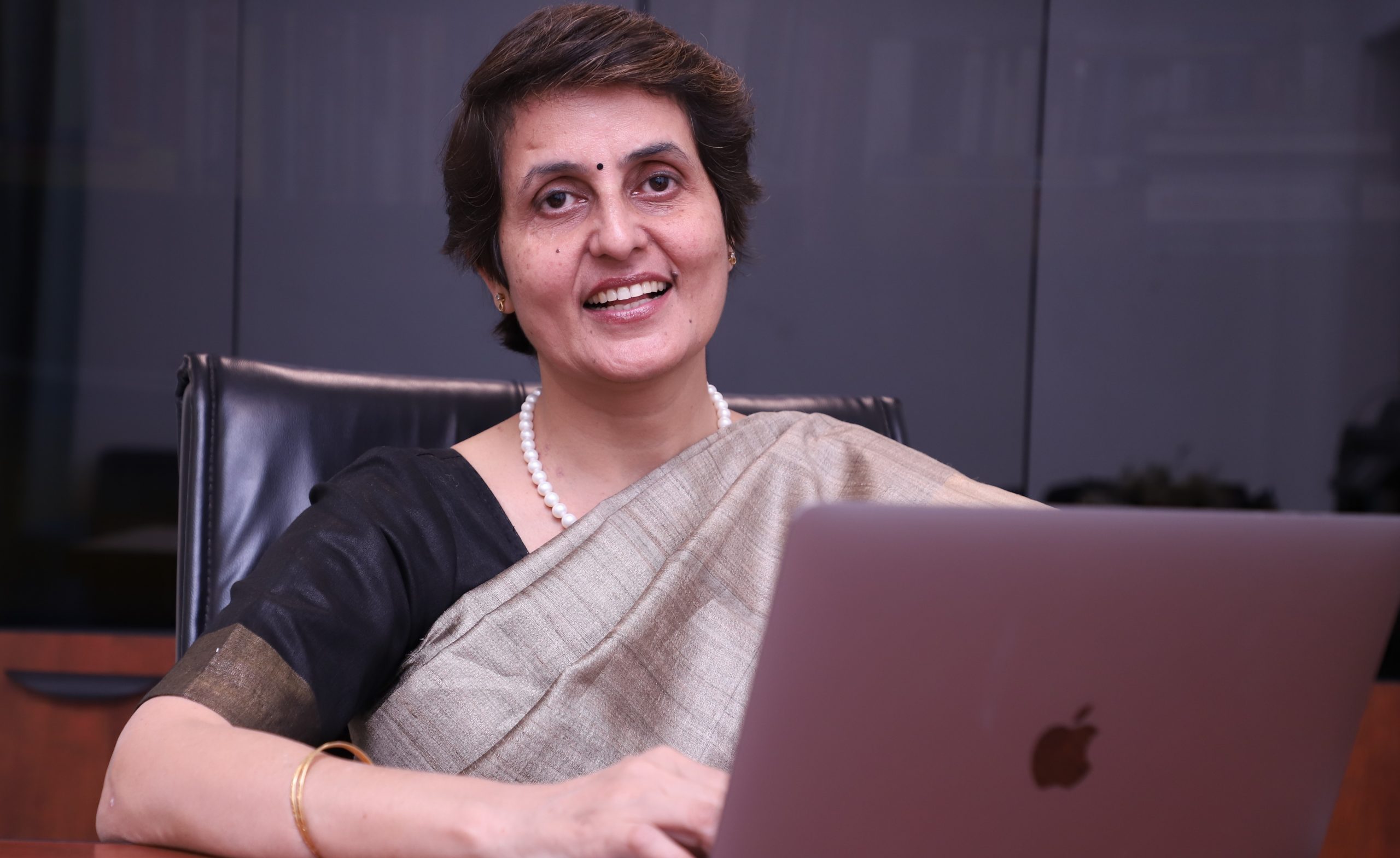
Welcome to Bodh Gaya – The Land of Enlightenment!
We look forward to your active participation and valuable contributions to this international forum, set against the serene and historic backdrop of Bodh Gaya.
Warm regards,Director
Indian Institute of Management Bodh Gaya
Conference Tracks
Track 1: Buddhist Economics – Reimagining the Global Economic Order- The philosophical foundations of Buddhist Economics.
- Integrating mindfulness, moderation, and interdependence in economic systems.
- Ethical consumption and the economics of sufficiency.
- Comparative perspectives: Buddhist, Islamic, Gandhian, and Post-Keynesian ideas.
- Rethinking prosperity beyond GDP.
- Circular economy and degrowth movements in Buddhist nations.
- Climate change, compassion, and intergenerational justice.
- Lessons from Bhutan’s Gross National Happiness framework.
- Buddhist diplomacy and the geopolitics of peace.
- Trade and cultural corridors among Buddhist nations.
- Conflict resolution and peacebuilding in Asia.
- Economic resilience in a multipolar world.
- Buddhist values in governance and leadership.
- Ethics and integrity in public administration.
- Education, empathy, and social transformation.
- Building compassionate institutions for inclusive growth.
- The rise of conscious capitalism and ethical business.
- Mindful leadership and corporate well-being.
- Buddhist perspectives on entrepreneurship and social enterprise.
- AI and Digital Transformation through the Lens of Buddhism.
- Buddhist heritage as a driver of cultural diplomacy.
- Heritage tourism and sustainable local economies.
- Interfaith dialogue and pluralism.
Special Roundtables
- Global Policy Dialogue: Buddhist Values in Economic Governance
- Regional Cooperation Forum: Buddhist Nations and Sustainable Development Goals (SDGs)
- Women and Peace: Gender Dimensions in Buddhist Economies
Submission Details
- We welcome original research papers, policy notes, and case studies aligned with the conference tracks.
- Submissions from researchers, policymakers, NGOs, and international organisations are encouraged.